LIMINAL
Phase 01 — Reality Calibration

Crafting Liminal Spaces

Digital environments are no longer flat surfaces. They are architected dimensions. We craft immersive atmospheres, layered systems, and experiential worlds that redefine how brands, products, and forward-looking concepts are perceived.

Live Environment
Coordinates 40.7128° N 74.0060° W
Status Active
Protocol Editorial Thesis
Signal Locked
02 / The Manifesto

The interface is a threshold. We dismantle it to construct experiential logic systems where interaction dissolves into inhabitation.

Historically, we have treated the digital as a flat surface — a canvas for displaying information. But as computational power aligns with spatial awareness, this paradigm shatters. The web is evolving into a series of dimensional spaces.

To design a parallel world is to author its physics. It requires moving beyond aesthetic decoration into the realm of architectural behavior. Gravity, resistance, illumination, and memory become our new primitives.

A premium digital world is not defined by style alone, but by atmosphere, structure, and the way perception is guided through space.

L.01
Foundation
Signal
L.02
L.03
Behavior
Perception
L.04

03 / System Architecture

Built in layers .

A parallel world is not styled into existence. It is constructed through a sequence of interdependent layers — each one stabilizing the next, each one shaping how the environment is seen, understood, and inhabited.

L.01

Spatial Foundation

The underlying geometry of the world — scale, alignment, depth, containment, and the structural logic that gives every element a place to exist.

L.02

Visual Signal

Typography, contrast, material language, and directional cues transform the structure into something legible, atmospheric, and emotionally precise.

L.03

Behavior Ruleset

Motion, response, sequencing, and state change define how the world behaves over time — not as animation for decoration, but as a readable system of cause and effect.

L.04

Perceptual Tone

The final layer: mood, tension, and sensory coherence. This is where a digital interface stops feeling assembled and starts feeling inhabited.

Architecture is not a visual layer. It is the hidden order that allows immersion to feel inevitable.

04 / Projected Realities

Constructed Environments

A premium digital world must translate across formats, surfaces, and contexts. These realities show how the same architectural logic can become editorial, product-driven, spatial, or experiential without losing coherence.

Editorial Environments
ENV.01

Editorial Environments

Narrative-first interfaces where typography, image, and pacing turn a brand story into a navigable atmosphere.

Designed for brands that need presence, not just presentation.

Product Realities

ENV.02

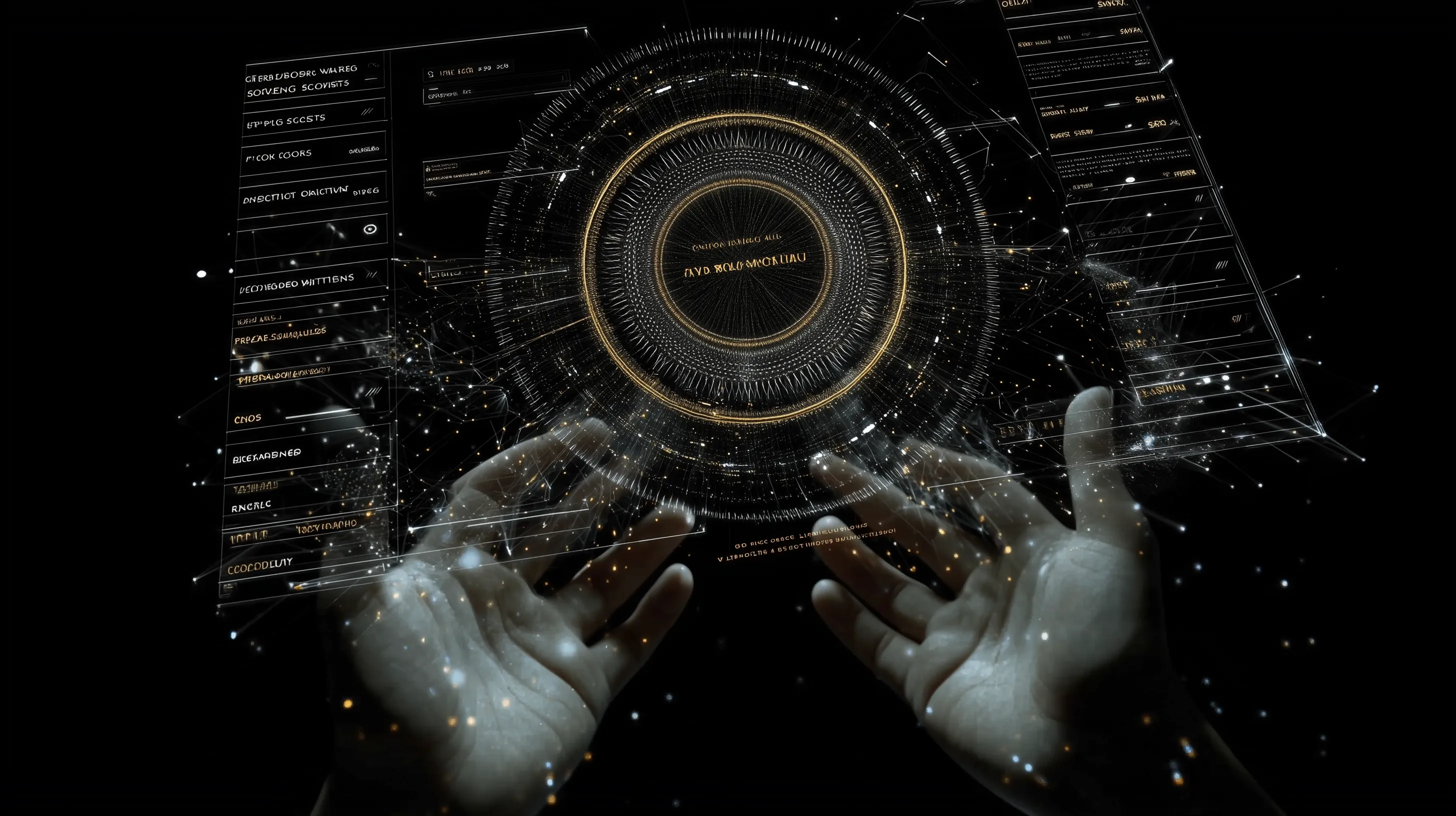
Software experiences that feel spatial, focused, and materially intentional.
Product Realities

Spatial Brands

ENV.03

Identities expressed as environments with mood, hierarchy, and depth.

Spatial Brands

Future Systems

ENV.04

Speculative interfaces shaped for post-screen behavior and adaptive perception.

Future Systems

Spatial Commerce

ENV.05

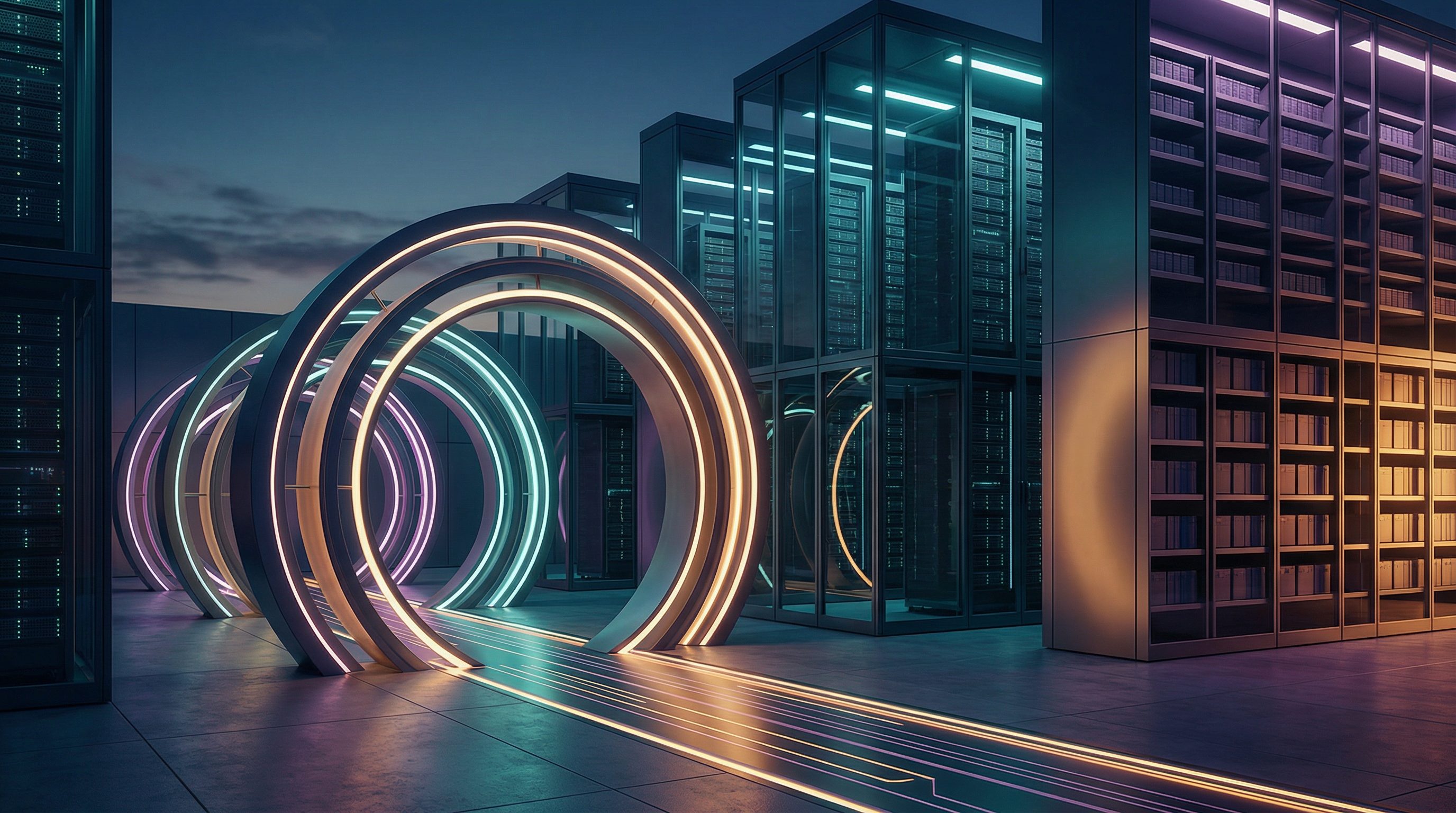
Transactions and decision paths embedded within immersive environments.
Spatial Commerce

Neural Mapping

ENV.06

Intent translated directly into environmental response and adaptive states.

Neural Mapping
06 / Closing Vision

The next interface is not a screen. It is a reality.

Liminal Spaces creates immersive digital environments for brands, products, and future-facing ideas — spaces where atmosphere, structure, and behavior become part of the story itself.

Built for brands that want to be entered, not merely viewed.